
Starwood Hotels & Resorts: Hospitality brand and merger communications
Westin, Aloft, Le Méridien and the Marriott–Starwood merger
A hotel can enter someone’s life long before they book a room. It might be through a conversation about staying well while travelling, a band they discover, or an encounter with art. That was the opportunity at the heart of my work across Westin, Aloft and Le Méridien at GolinOpinion.
As Head of PR & Social Media, I led the communications approach for brands that shared a hospitality portfolio but had very different personalities. The challenge was to make each one recognisable on its own terms. The work also extended to India communications planning for the Marriott–Starwood merger, connecting individual brand stories with a major corporate change.
Our starting point was the experience each brand stood for. Westin offered a way to maintain wellbeing away from home. Aloft connected with younger audiences through music, design and technology. Le Méridien invited curious travellers into the cultural life of a destination. These differences shaped the editorial angles, partnerships and social ideas we developed.
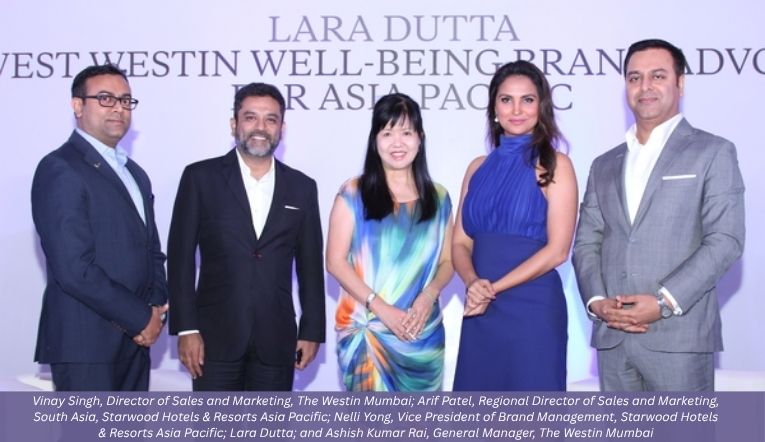
Westin made wellbeing personal
For Westin, the story began with a familiar travel tension: keeping healthy routines intact when life takes you elsewhere. Lara Dutta’s association as a Wellbeing Advocate gave that story a recognisable human connection.
Our communications planning connected her association with everyday subjects such as sleep, movement, food and balance. The launch proposal brought together media interviews, experiential ideas, and a social countdown built around Westin’s six wellbeing pillars. The intention was to make the brand’s promise useful and easy to talk about.
The published coverage reflected that approach. In an October 2015 Condé Nast Traveller India interview, Lara discussed her travel routines and explicitly connected her wellness outlook with Westin. The brand became part of a conversation readers could relate to in their own lives. [1]
Aloft found its audience through music
Aloft called for a different rhythm. Its personality was social, energetic and open to discovery. Our plans placed music at the centre of that story, with Live at Aloft and Project Aloft Star providing a reason for audiences to engage with the brand beyond a hotel stay.
A story that continued beyond the stage
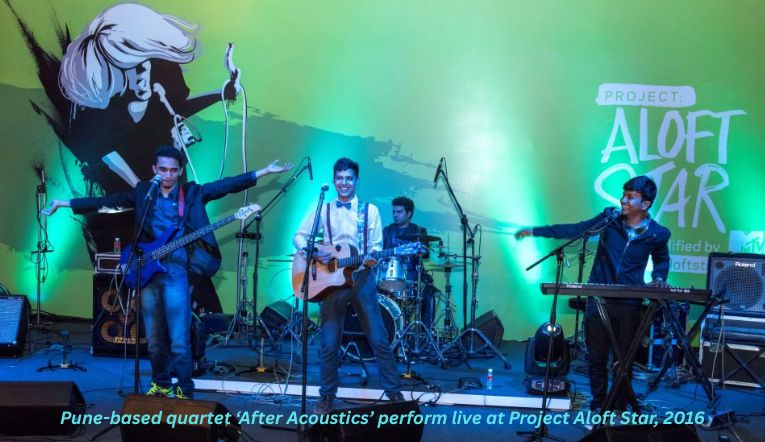
For Project Aloft Star 2016, we planned communications across the competition’s full journey: the call for entries, audience voting, the finale and the winner’s story. Music media and artist stories gave the programme editorial substance, while proposed blogger and social activity created further opportunities for participation.
Rolling Stone India covered both the finalists and the eventual India winner, After Acoustics. The coverage placed Aloft within the independent music conversation and showed how a hotel brand could give emerging talent a platform. [2, 3]
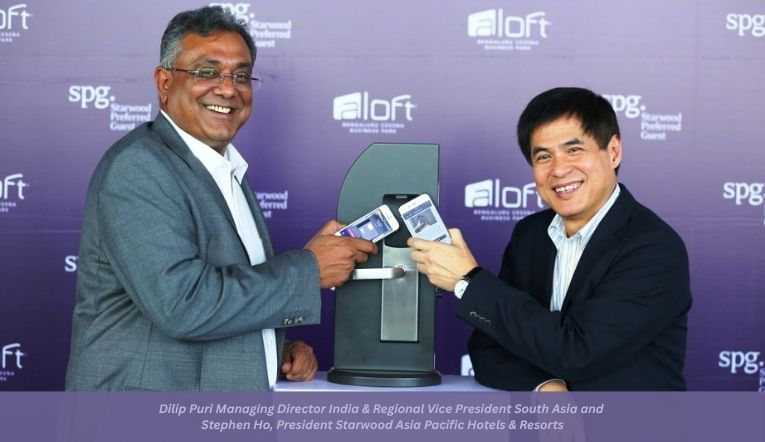
Technology gave Aloft another distinctive story. Our keyless check-in review documented Indian online coverage of Starwood’s smartphone room-entry announcement. Subsequent reporting covered the India debut of SPG Keyless at Aloft Bengaluru Cessna Business Park in April 2015. It offered a tangible example of the brand’s approach to a connected guest experience. [4]
Le Méridien opened a door to culture
With Le Méridien, the opportunity lay in the pleasure of discovering something unexpected. Art, literature and coffee culture provided a natural setting for that story, especially around the India Art Fair and Jaipur Literature Festival.
Our approach connected the hotel experience with the cultural events surrounding it. The plans brought together media engagement and blogger perspectives, giving different audiences a way to encounter the brand through their own interests.
At the India Art Fair in 2015, Barista Meets Artista brought latte artist Esther Maasdam together with visual artist Sohan Jakhar. Coffee became a medium for creative expression. Delhi Food Walks covered the collaboration, while All Things Nice shared a first-person account of attending it. These stories made Le Méridien’s connection with creativity visible through an experience. [5, 6]
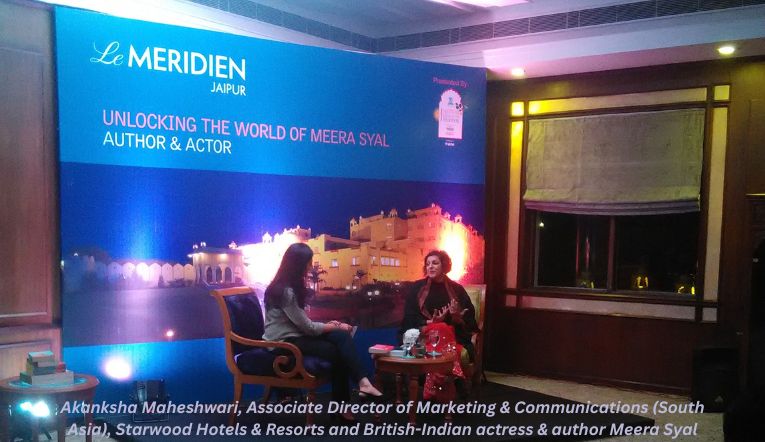
The programme continued into 2016. The annual plan records completed activity including a session with Meera Syal and the Writers’ Ball in Jaipur, along with an art walk and artist programming around the India Art Fair in Delhi.
What the work demonstrated
The campaign reviews provide specific measures of visibility. Le Méridien’s 2015 review records 74 media clips and 14,501,626 reported media impressions across the activity covered by that review. An earlier Aloft review, dated September 2012, records 31 clips for the Chandigarh–Zirakpur property launch. These are separate reporting periods and programmes, rather than a combined portfolio total.
For me, the defining thread was the connection between brand identity and the stories people chose to engage with. My role was to keep that connection clear across PR and social planning, giving each brand its own voice while helping the team translate it into relevant media opportunities. That experience also informed the next chapter: explaining what the Marriott–Starwood combination would mean in India.
The Marriott Starwood merger in India
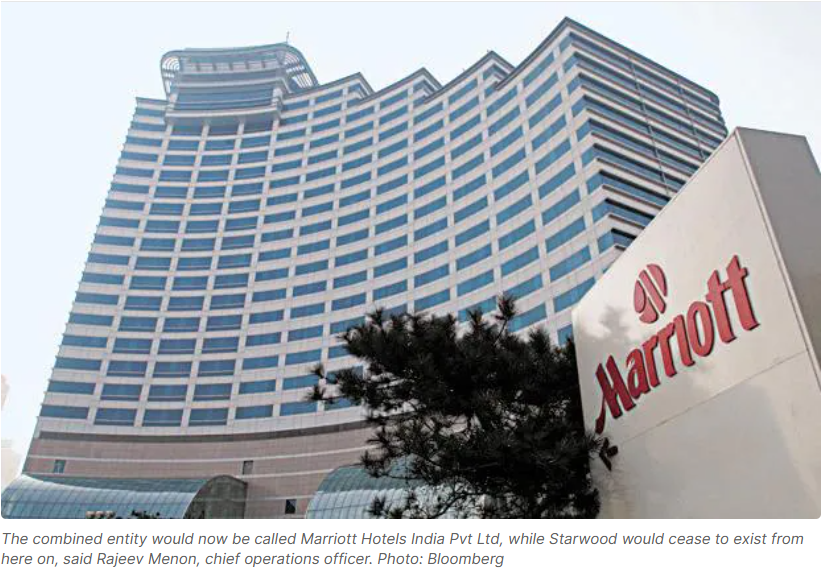
In 2016, the communications brief widened. The brands we had been telling individual stories about were becoming part of a much larger hospitality group. My work at GolinOpinion extended to the India communications plan for the Marriott–Starwood merger, where the challenge was to explain the significance of a global transaction to local audiences.
Our plan, dated 23 May 2016, covered the legal-close announcement and a proposed India leadership visit. It linked announcement-day visibility with interviews and media engagement that could explain the combined company’s relevance to India. The approach brought corporate storytelling into the same portfolio of work as our consumer brand campaigns.
Making a global announcement relevant locally
We planned media engagement around the questions different audiences would ask. Business journalists needed the India growth story and leadership perspective. Travel and lifestyle media needed to understand the breadth of the combined portfolio. The proposed programme included one-to-one and group interviews, a press event and opportunities for leaders to discuss the future of hospitality.
The creative proposal explored ways to give the announcement a visible presence, including illuminating an iconic Indian landmark in Marriott red, wrapping a landmark hotel in a red ribbon, and a holographic conversation between the global CEOs. These were proposed concepts within the communications plan.
The story reflected in the press
When the acquisition closed on 23 September 2016, the coverage made its local significance clear. The Economic Times reported the combined company’s 79 operating hotels and approximately 18,000 rooms in India, loyalty status matching and points transfers. Business Standard likewise positioned the company as India’s largest hotel chain by room inventory. [7, 8]
Mint reported from a Mumbai press meet with Asia-Pacific chief operating officer Rajeev Menon, covering the announced ambition to open around 80 hotels in India over the next three years. This was a forward-looking expansion plan at the time, rather than a completed result. The Indian Express carried Associated Press reporting on the global combination of 30 brands, more than 5,700 properties and 1.1 million rooms. [9, 10]
The documented media outcome was coverage across national business and general news outlets that explained market scale, future growth and practical benefits for guests. Those articles show the public narrative around the merger; they do not establish that every proposed activation ran or that each article resulted from our agency’s outreach.
For me, this chapter brought together two demands of hospitality communications: preserving the character of individual brands and explaining the significance of a changing corporate portfolio. It added a corporate dimension to the same work of making a brand story relevant to its audience.
Results
Across this portfolio, the work gave each brand a distinct story and a place in relevant media conversations. Le Méridien’s 2015 campaign review recorded 74 media clips and more than 14.5 million media impressions, while Aloft’s Chandigarh–Zirakpur launch generated 31 clips in an earlier reporting period. Coverage ranged from Westin’s wellness story in Condé Nast Traveller India to Project Aloft Star in Rolling Stone India. The Marriott–Starwood merger added a corporate communications dimension, with national press highlighting the combined company’s leadership in India, growth ambitions and guest benefits. Together, these outcomes reflect the breadth of my work at GolinOpinion: connecting brand storytelling with cultural relevance and bringing a clear local perspective to a global business milestone.
Media references
Published coverage corresponding to the campaigns discussed in this case study. Editorial articles, announcement coverage and blogger accounts are identified separately.
1 Condé Nast Traveller India | Lara Dutta on health and travel
23 October 2015 · Editorial interview. Includes Lara Dutta’s association with Westin and her approach to wellbeing while travelling.
2 Rolling Stone India | Project Aloft Star finalists
29 September 2016 · Editorial preview. Covers the emerging artists competing in the India edition and the programme’s music focus.
3 Rolling Stone India | After Acoustics win Project Aloft Star
6 October 2016 · Editorial event report. Covers the India winner and performances at the finale.
4 Core Communique | India debut of SPG Keyless
1 April 2015 · Published announcement. Confirms the India rollout at Aloft Bengaluru Cessna Business Park.
5 Delhi Food Walks | Barista Meets Artista
9 February 2015 · Food blog coverage. Documents Le Méridien’s coffee and art collaboration at the India Art Fair.
6 All Things Nice | Art Meets Coffee and the India Art Fair
3 February 2015 · First-person blogger account. Describes attending Le Méridien’s event featuring Esther Maasdam and Sohan Jakhar.
Marriott Starwood merger media references
7 The Economic Times | Marriott leads India after the merger
23 September 2016 · Anumeha Chaturvedi. Reports the combined India portfolio, leadership commentary, expansion plans and loyalty benefits.
8 Business Standard | Marriott Starwood beats Taj group
24 September 2016 · Swaraj Baggonkar. Explains the change in India market leadership by room count and the development pipeline.
9 Mint | Combined entity announces India expansion plans
23 September 2016 · Bidya Sapam. Reports from the Mumbai press meet and records the announced plan for around 80 additional hotels over three years.
10 The Indian Express | Marriott completes the Starwood acquisition
23 September 2016 · Associated Press report. Documents the transaction’s global scale and the combined brand portfolio.